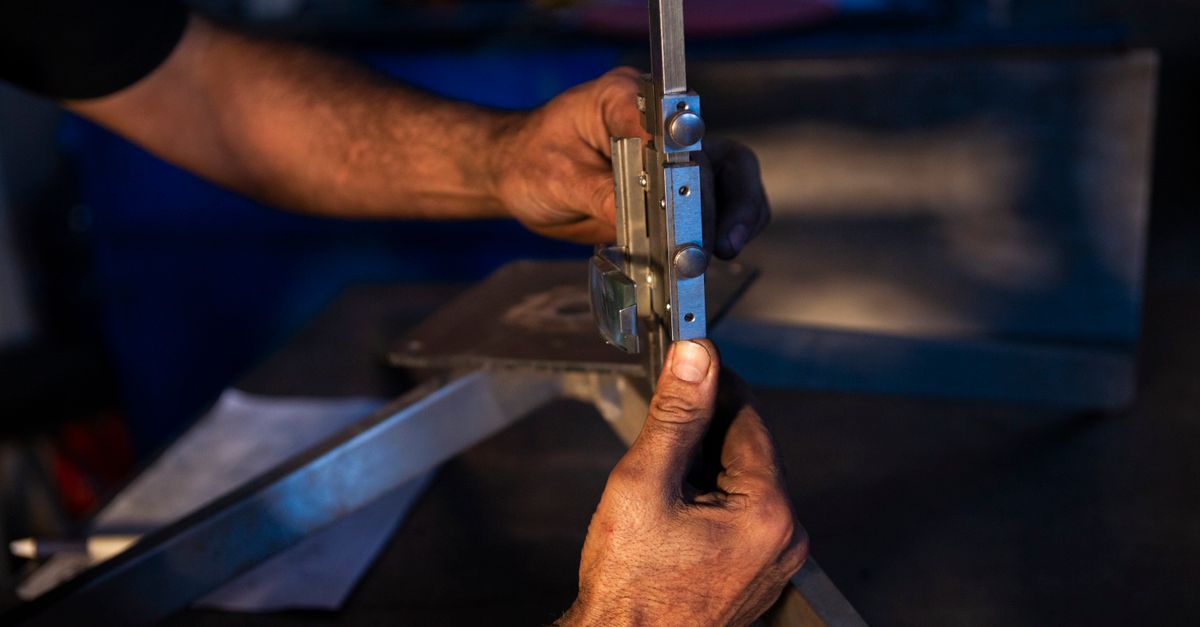
Why Storefront Lock Rekeying Belongs on Every Tenant Transition Checklist
Staff turnover and lease changeovers are two of the most common — and most overlooked — security gaps in commercial property. A departing employee may have duplicated their key without authorization. A previous tenant may have had keys cut for contractors, cleaning crews, or family members whose access was never formally revoked. In a dense urban area like GF New York, where storefronts often share vestibules, loading corridors, or stairwells with neighboring businesses, uncontrolled key distribution compounds quickly. Rekeying your mortise lock or cylindrical deadbolt at the moment of transition is the only way to guarantee that the physical key history of that lock ends and a new, controlled access record begins.
The process works by replacing the lock's internal driver pins and key pins so that only newly cut keys — issued specifically for the new tenancy or staffing arrangement — will operate the cylinder. Your existing hardware, door prep, and strike plate all stay exactly as they are. This is why most commercial locksmiths recommend rekeying before storefront lock replacement unless the hardware itself is damaged, outdated, or incompatible with a new master key system. If replacement is genuinely warranted, our technicians will walk you through the options, including high-security cylinders and mortise lock upgrades, before any decision is made.