Clinton St Locksmith Service Team
Local locksmith team
Sep 7, 2026 12 min read
If you rent an apartment in New York City — whether you're on Clinton Street, Delancey, or anywhere else in the Lower East Side — there's a good chance your front door lock is legally required to meet standards most tenants have never heard of. NYC's Multiple Dwelling Law and the NYC Housing Maintenance Code are surprisingly specific about what kinds of locks must be installed on residential doors, and landlords who ignore those rules are in violation — even if the door closes and locks just fine. Knowing what the law actually requires puts you in a stronger position as a tenant, and helps you understand when a simple call to a locksmith is not just convenient but necessary.
This guide walks you through exactly what New York City mandates for apartment door locks, how to inspect your own door in about five minutes, and what your options are when the hardware doesn't measure up. We'll also cover common scenarios — from worn-out mortise locks to missing secondary deadbolts — so you can walk away knowing whether your door is genuinely secure or just looks that way.
## What NYC Law Actually Requires on Your Apartment Door
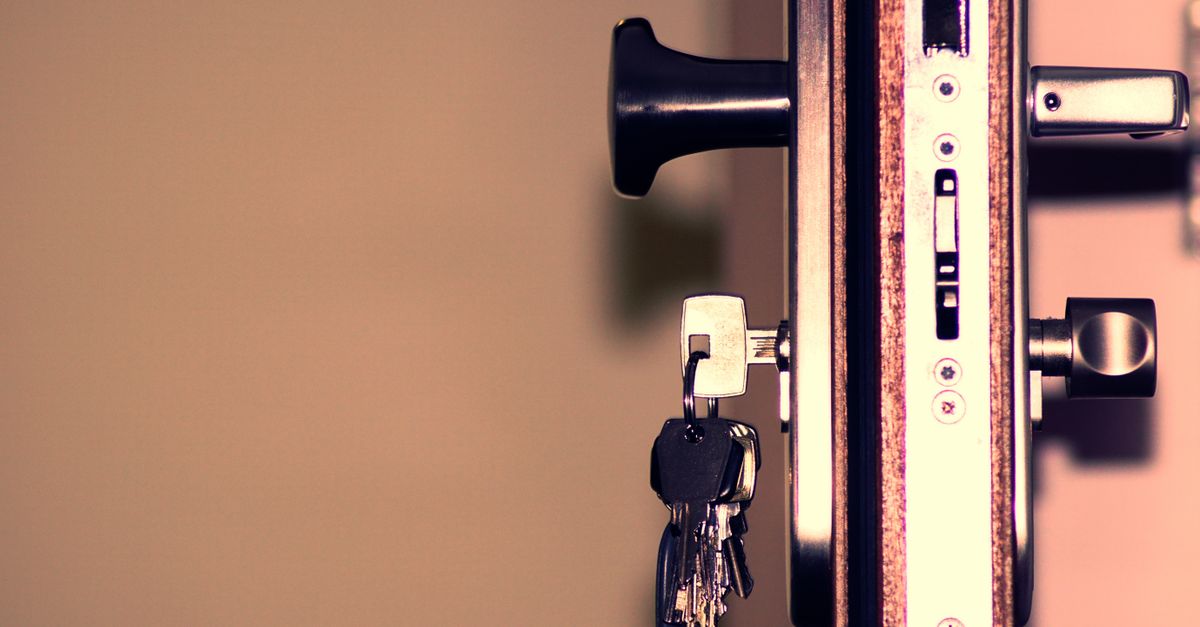
Under New York City Administrative Code Section 27-2043, the owner of a multiple dwelling — any building with three or more units — is required to install and maintain specific locking hardware on every entrance door to each apartment. The law mandates a heavy-duty deadbolt lock with a minimum one-inch throw, a peephole, and in many cases a door chain or similar secondary security device. That deadbolt requirement is where the mortise door lock becomes especially relevant: a full mortise lock, which is machined into the door edge rather than surface-mounted, meets and often exceeds the deadbolt standards the code demands. Older buildings throughout the Lower East Side and surrounding neighborhoods commonly have mortise lock assemblies that date back decades — and while the hardware may look intact, internal wear can mean the bolt no longer throws the full required inch.
The law also addresses the door frame and strike plate, not just the lock body itself. A deadbolt that throws cleanly into a weak or improperly reinforced strike plate offers almost no real security, even if it satisfies a surface-level inspection. NYC law places the maintenance obligation squarely on the landlord: tenants are entitled to working, code-compliant locks at all times, and landlords who fail to provide or maintain them can face HPD violations. If you've moved into an apartment and the lock feels loose, grinds when you turn the key, or doesn't throw the full bolt, that's not just an annoyance — it may be a housing code violation your landlord is obligated to fix.
## How to Check Your Own Door Lock in Five Minutes
You don't need tools or technical knowledge to do a basic compliance check on your apartment door. Start with the deadbolt: engage it fully and look at the edge of the door to see whether the bolt extends at least one inch out from the door face. Many worn or incorrectly installed deadbolts stop short. Next, check the strike plate — the metal plate on the door frame where the bolt lands. It should be secured with screws that are long enough to anchor into the stud behind the frame, not just the thin door casing. Short screws are one of the most common security failures in otherwise decent locks. If the plate wiggles or the screws back out easily, the lock can be defeated with a hard kick regardless of lock quality.
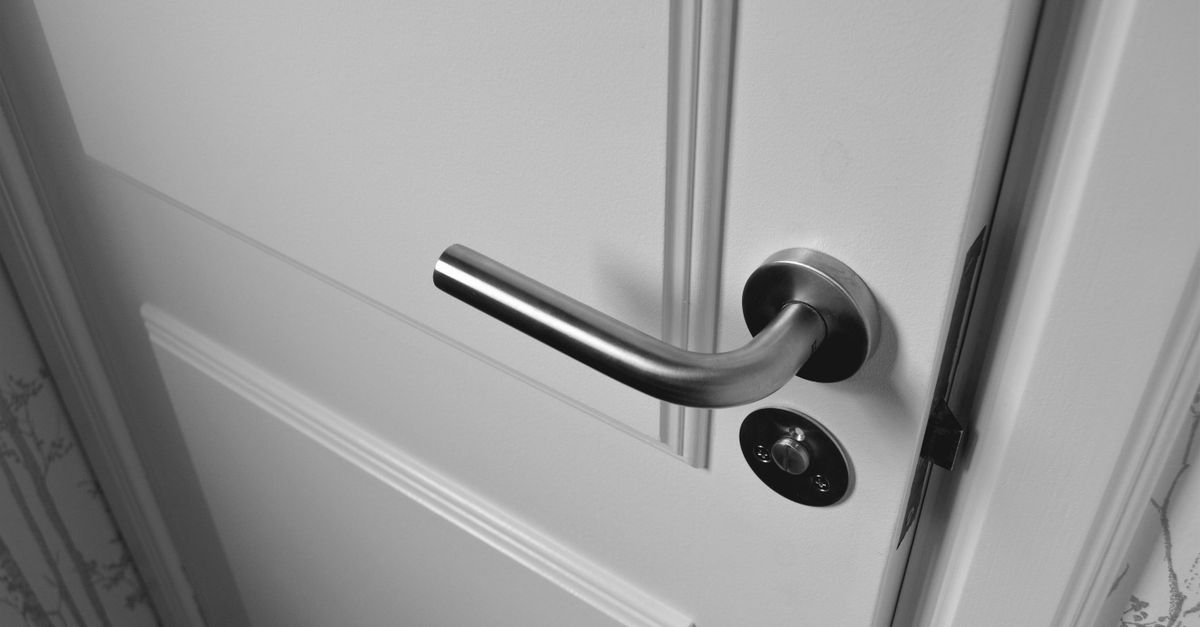
Now look at the lock body itself. If your apartment has a mortise door lock — a rectangular cartridge set into the door edge, common in pre-war buildings — check that the faceplate is flush with the door edge and that both the latch and deadbolt functions operate without sticking. A grinding or sluggish mortise lock is often a sign that internal components are worn and the lock is approaching the end of its reliable life. Finally, check for a secondary device: NYC code requires one on most apartment entrance doors. If there's no chain, door knob lock with a secondary function, or equivalent hardware, that's worth flagging to your landlord in writing. If your landlord isn't responsive, an HPD complaint is a concrete next step — and a qualified locksmith can document the existing condition and perform compliant door lock installation as needed.
## Mortise Lock vs. Deadbolt: Which One Does Your Door Have — and Does It Matter?
The distinction between a mortise lock and a standard cylindrical deadbolt matters both legally and practically. A mortise door lock is a multi-component assembly that fits into a deep rectangular pocket cut into the door edge. It typically combines a spring latch, a deadbolt, and sometimes a secondary lock function in one unit — which is why it's so common in NYC's older rental stock. A cylindrical deadbolt, by contrast, is a simpler, surface-bored lock that installs with a standard drill and is common in newer construction and renovated units. Both can meet NYC code if installed correctly, but a mortise lock requires more skilled work to service or replace because the door must be accurately mortised to accept the new lock body.
When a mortise lock fails or becomes non-compliant — through wear, a broken cylinder, or a bolt that no longer throws fully — the repair isn't a DIY job. Incorrect installation can leave gaps in the door edge that compromise both the lock's function and the door's structural integrity. This is also where the question of sliding door lock replacement can come up: tenants with patio-style access doors or older sliding entries may have hardware that was never designed to meet deadbolt standards in the first place, and bringing those doors into compliance often requires purpose-built sliding door lock replacement hardware rather than adapting standard deadbolt assemblies. If you're unsure what you have or whether it's up to code, the clearest path is a professional assessment — not a guess.
## What to Do When Your Landlord Won't Fix the Lock — Emergency Locksmith GF New York
If you've documented a non-compliant or failing lock, notified your landlord in writing, and gotten no response, you have a few options. First, file an HPD complaint online or by phone — HPD inspectors can issue violations that compel landlord action and create a formal record. Second, in genuine emergencies — a lock that won't engage, a door that won't close securely, or a situation following a break-in attempt — you don't have to wait. As an emergency locksmith serving the GF New York area around the clock, Clinton St Locksmith can respond quickly to assess the situation, perform compliant door lock installation, and document the work so you have a paper trail for any subsequent landlord dispute or HPD proceeding.
Keep in mind that when you call for emergency locksmith service, the final quote depends on specific factors: the type of lock being installed or repaired, the condition of the existing door and frame, the time of day, parts required, and travel distance. We confirm an exact price with you before any work begins — no surprises when the job is done. Whether the job is a straightforward change door lock scenario or a full mortise lock overhaul on a century-old door, our team works through it the same way: assess, explain, confirm the price, then execute. You can call us at (646) 491-8338 any time — we answer 24/7.
It's also worth knowing that if you change the locks yourself or hire someone to do it improperly, you may be in violation of your lease even if the underlying lock was defective. NYC law generally requires landlords to provide keys to any lock on the premises, and tenants who install unauthorized hardware can create legal complications. The cleaner approach is always documented, professional work that your landlord — and if necessary, an HPD inspector — can verify.
## Keypad Locks, Commercial-Grade Hardware, and When the Code Gets More Complicated
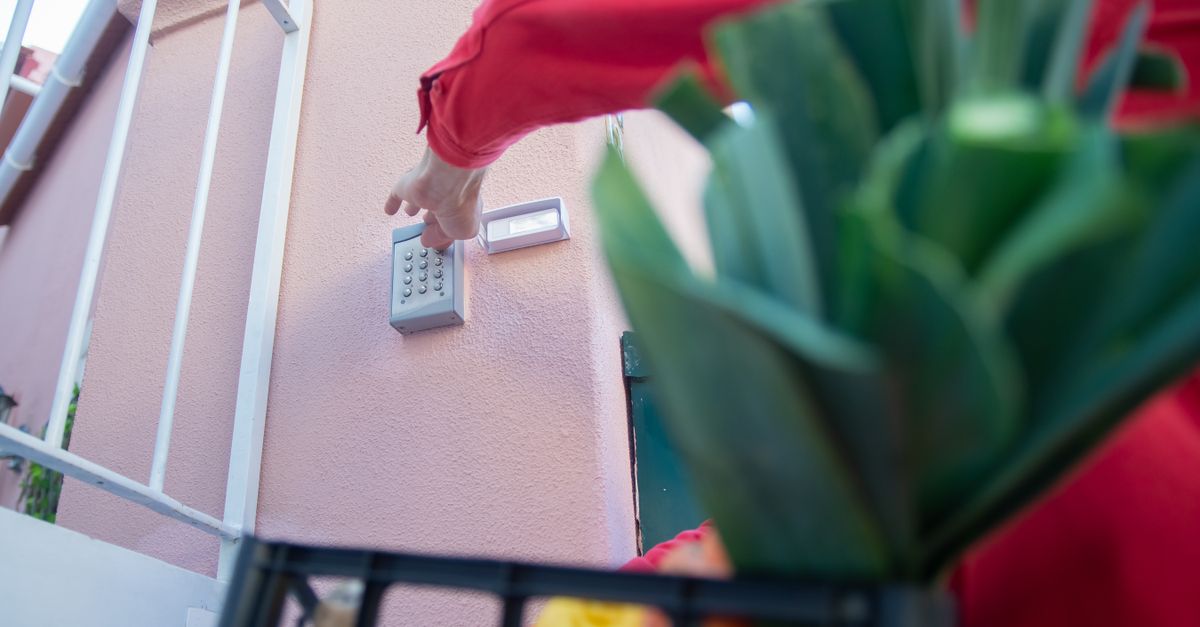
Some tenants and small building owners in the GF New York area are increasingly moving toward electronic keypad entry as part of a door lock installation or upgrade. If you're wondering how to change code on a keypad door lock — for example, after a roommate moves out or following a security concern — the process varies significantly by manufacturer, but most residential keypad locks have a reset sequence accessible through the programming button on the interior unit. Schlage and Kwikset keypad models, for example, each have their own procedure. That said, if you're asking how to change a door lock entirely from a mechanical to an electronic system, or if you want to change door lock hardware to add keypad functionality while maintaining a mechanical backup, that's a professional installation — the door must be prepped correctly to ensure the keypad assembly is reinforced, properly aligned, and actually meets the one-inch throw requirement under NYC code.
For building owners and property managers dealing with multiple units — or for ground-floor commercial spaces on streets like Grand or Essex — a commercial locksmith assessment adds another layer. Commercial locksmith work in NYC operates under the same core code framework but with additional considerations around ADA compliance, master key systems, and higher-traffic hardware specifications. A mortise lock rated for commercial use is a substantially different product than a residential-grade version, and the installation requires corresponding experience. Whether you're managing a small apartment building or need to evaluate a door knob lock on a commercial entry that's seen years of heavy use, the starting point is always the same: know what the code requires, inspect what you have, and close the gap with qualified help.
## 25 Lock and Door Security Services We Provide in GF New York
Clinton St Locksmith handles the full range of residential, automotive, and commercial lock needs across the GF New York area. Here is a specific breakdown of what our mobile team covers: mortise lock repair and full replacement on pre-war apartment doors; deadbolt installation to NYC housing code specifications; sliding door lock replacement for patio and balcony access doors; door knob lock replacement on interior and exterior residential doors; emergency lockout response for apartments and homes; keypad door lock programming and full door lock installation for electronic entry systems; how to change door lock code consultations and hands-on reprogramming for Schlage, Kwikset, and similar brands; high-security cylinder upgrades for existing mortise or cylindrical lock bodies; master key system design and implementation for multi-unit residential buildings; commercial locksmith services for storefronts, offices, and mixed-use buildings; door frame and strike plate reinforcement to meet code throw-depth requirements; lock rekeying after tenant turnover or lost key situations; access control system installation for building entries; panic bar and exit device installation for commercial doors; mailbox lock replacement for individual units and building panels; garage door lock and handle replacement; gate lock installation for courtyard and rooftop access points; automotive lockout response for cars, trucks, and vans throughout the GF New York area; car key replacement and key fob programming; transponder key cutting and programming; ignition lock cylinder repair and replacement; broken key extraction from door locks and ignition cylinders; lock inspection and compliance documentation for HPD violation response; security consultation for tenants disputing landlord lock compliance; and 24/7 emergency locksmith dispatch with upfront pricing confirmed before any work begins.
Frequently asked questions
What kind of door lock does NYC law require on my apartment door?+
NYC's Housing Maintenance Code requires a heavy-duty deadbolt with at least a one-inch throw on every apartment entrance door in a building with three or more units. Many older buildings use a mortise door lock to satisfy this requirement, while newer construction often uses cylindrical deadbolts. The law also requires a peephole and, in most cases, a secondary security device such as a door chain. The obligation to install and maintain compliant hardware falls on the landlord — not the tenant.
How do I change the code on a keypad door lock?+
The process for how to change code on a keypad door lock depends on the specific brand and model. Most residential keypad locks — including common Schlage and Kwikset units — have a programming button on the interior side of the lock. You typically hold the button until the lock signals readiness (often with a beep or light), enter a master code, and then input your new user code. The exact sequence varies, so checking the manufacturer's documentation for your specific model is the most reliable approach. If you've lost the master code or need to change door lock code after a factory reset, our team can walk you through the process or handle the reprogramming on-site.
Can I install my own lock if my landlord refuses to fix a broken one?+
You can in some circumstances, but it creates legal complexity. NYC law requires landlords to maintain compliant locks, and tenants who install unauthorized hardware — even to fix a genuine security gap — may technically be in lease violation. The cleaner path is to notify your landlord in writing, file an HPD complaint to create a formal record, and contact a professional locksmith who can document the condition of the existing hardware. If an emergency forces immediate action, having a professional perform the door lock installation and issue documentation gives you the strongest position in any subsequent dispute with your landlord or in HPD proceedings.
When should I call an emergency locksmith instead of waiting for my landlord?+
Any situation where your door cannot be secured — a broken mortise lock, a deadbolt that won't engage, a door that won't fully close, or damage following a forced-entry attempt — is a genuine emergency that warrants an immediate call rather than waiting for a landlord response. Clinton St Locksmith operates 24/7 throughout the GF New York area. Call us at (646) 491-8338 and we'll send a trained locksmith to assess the situation, explain your options, confirm a firm price before starting, and get your door secure as quickly as possible.